Super Run: Classic Game
skcreatorsAdventure
4.2306.00 Reviews
- Version
- 2.61
- Installs
- 10.00M
- Age Rating
- Everyone
Screenshots
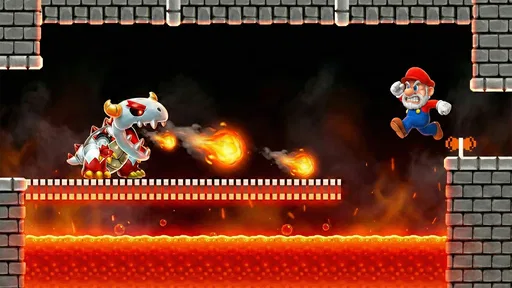
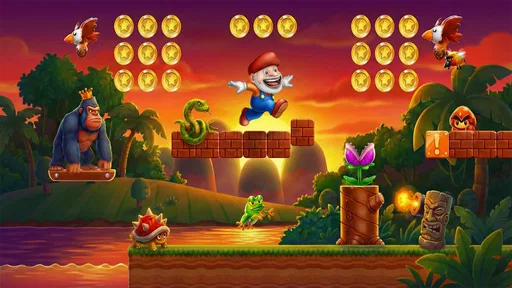
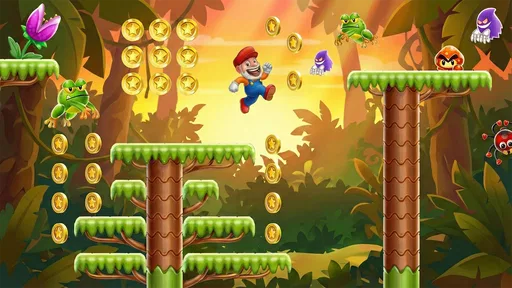
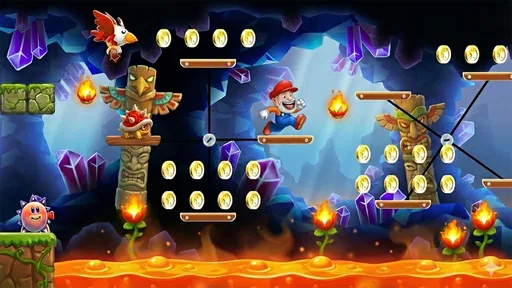
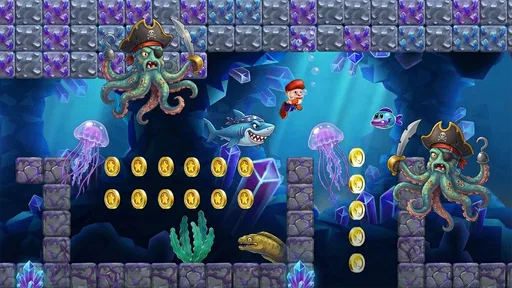
Our Review of Super Run: Classic Game
 Analysis by Appyee
I approached Super Run: Classic Game expecting a simple side-scrolling adventure, and that is exactly where its appeal lies. It is a free Android game from skcreators, built around familiar platforming: move forward, jump over danger, deal with enemies, and keep working toward the princess. The presentation aims for the easy-to-understand feeling of an old-school jungle adventure rather than the complexity of a modern role-playing game.
That makes it approachable from the first tap. I did not need to learn a long backstory or study a complicated menu before playing. The central idea is immediately clear, which is useful when I want a short game session instead of a large project. At the same time, the straightforward design means the experience depends heavily on how much I enjoy repetition, timing, and gradually improving at familiar obstacles.
What the first few minutes feel like
The game belongs to the adventure category, but I would describe its moment-to-moment play more specifically as classic platform action. The important decisions happen while moving: when to jump, whether an obstacle can be cleared safely, and how aggressively to continue. The controls and objective are easier to understand than the challenge of executing them consistently, especially once a level stops feeling new.
I found the offline focus particularly useful. A game that can be played without depending on a live connection fits situations such as a commute, a waiting room, or a flight. It also makes the title feel more self-contained than games that constantly push online events, social systems, or competitive features. If your idea of mobile entertainment is a quick run through a familiar type of level, this is a sensible starting point.
The store summary presents it as a jump-and-run adventure with smashing action and a rescue goal. In practice, that promise sets the right expectations: this is not a quiet exploration game, a puzzle-heavy adventure, or a story-driven journey with extensive dialogue. The fun comes from movement and reaction. I would recommend approaching it as a compact arcade-style platformer with an adventure theme, not as a deep narrative game.
Its audience is broad. The content rating is Everyone, so families looking for an uncomplicated game can consider it, while adults who grew up with classic platformers may enjoy the familiar structure. The game was released on May 6, 2017, and its current version is 2.61. It supports Android 7.0 and later, which is helpful for people using an older compatible device rather than a recent flagship phone.
Starting without overthinking the menus
My advice to a first-time player is to begin with the basic goal in mind: keep moving, watch the space immediately ahead, and treat every jump as a timing decision rather than a reflexive tap. The opening session is more useful when you concentrate on learning the rhythm of the game instead of trying to rush through everything. A failed attempt is information about spacing, speed, and when the screen is asking for patience.
One practical habit makes a noticeable difference: keep your attention slightly ahead of the character. Looking only at the character encourages late reactions because hazards arrive before you have mentally prepared for them. Watching the next section of the path gives you time to decide whether to jump early, continue forward, or avoid unnecessary contact. This is a small adjustment, but it is more valuable than simply tapping faster.
I also suggest playing the first session with a comfortable grip and enough screen visibility to see what is coming. Platform games punish distracted play, and a cramped hand position can turn a manageable jump into an accidental input. If you are introducing the game to a younger player, a short demonstration is better than explaining every possibility. Show the basic movement, let them attempt a jump, and then help them identify why a miss happened.
The first meaningful success is not necessarily reaching the end of a stage immediately. It can be completing a difficult sequence that previously stopped you, surviving a section without panicking, or learning to approach an enemy with better timing. I like this way of measuring progress because it keeps the early game encouraging. When the objective is only “finish everything,” a few failures can feel discouraging; when the objective is “understand the next obstacle,” each attempt has a clear purpose.
How to build a reliable playing rhythm
There are two common ways to play a platformer like this. Some players sprint forward and react at the last possible moment. Others move more deliberately, using the screen to plan each jump. I generally prefer the second approach, especially during a first attempt. Rushing may feel exciting, but it also makes mistakes harder to diagnose. A controlled run tells you whether the problem was speed, timing, or a poor decision about the route.
Once a section becomes familiar, speeding up can be enjoyable. The important trade-off is that faster play is not automatically better play. If you are trying to reach a personal milestone, repeatable movement usually matters more than dramatic movement. I would rather complete a section with a conservative jump than lose progress because I chased a risky shortcut that the game did not require.
Another useful technique is to separate observation from execution. On an early attempt, pay attention to the arrangement of hazards and the timing of your jumps. On the next attempt, use that knowledge instead of treating the whole level as unknown. This turns repeated play into practice rather than frustration. It is especially helpful for players who usually dislike retrying the same section, because each run can have a specific learning target.
Sound and visual distractions can also affect performance, even though the game itself is simple to understand. If you are playing while watching television or answering messages, expect more mistakes. For a casual session that may not matter, but if you are stuck on one sequence, give the game your full attention for a few minutes. The improvement often comes from concentration rather than from discovering a hidden trick.
Confusion that can slow down new players
The biggest possible misunderstanding is assuming that the adventure label means there will be extensive exploration or a large range of character systems. The core experience is much more direct. You are primarily dealing with movement, jumps, hazards, and enemies. Players who want branching dialogue, inventory management, or a large open world should look toward a different type of adventure game.
It is also easy to confuse speed with progress. Moving quickly can make a run feel successful, but a reckless jump can end it just as quickly. When I reach a section that repeatedly causes trouble, I stop trying to force it and instead change one variable at a time: I approach more slowly, jump earlier, or wait for a safer opening. That method is less exciting than charging ahead, but it produces clearer results.
New players may also wonder whether they should spend money immediately. The game is free to download, while in-app purchases range from $0.99 to $99.99 per item. I would not treat a purchase as part of the basic starting routine. First play long enough to decide whether the movement and repetition suit you. If the core loop does not feel enjoyable without spending, a purchase is unlikely to fix that fundamental mismatch.
The broad age rating should not be mistaken for a guarantee that every player will find the game effortless. Everyone-rated games can still include timing challenges that frustrate younger children or people who are new to platformers. If a child is struggling, I would encourage short attempts and celebrate a completed obstacle rather than taking over the controls. That keeps the game feeling like their achievement instead of a demonstration they are expected to copy perfectly.
Device compatibility is another point worth checking before installing. The minimum requirement is Android 7.0, so users on older Android releases should not assume it will run. For compatible devices, I would still close unnecessary distractions before a focused session, not because the game is complicated, but because responsive timing matters in this genre. A small delay or an accidental touch is more noticeable when a jump has to be precise.
Where it fits among other mobile adventures
Compared with large contemporary adventure games, this one is much easier to pick up and put down. There is no need to remember a complicated plot or manage a long list of objectives before enjoying a session. That simplicity is its clearest advantage. I can imagine choosing it when I have only a few minutes and want an active game rather than a passive distraction.
Compared with endless runners, the classic platforming structure offers a different kind of satisfaction. Endless runners are often about surviving as long as possible while the pace increases, whereas this game gives the player a more traditional sense of moving through an adventure toward a rescue goal. If you enjoy learning the shape of a stage and improving a particular sequence, that can feel more rewarding than chasing an ever-higher distance.
On the other hand, players who prefer polished competitive games, frequent content updates, or elaborate progression systems may find the design limited. The same directness that makes it welcoming can make it feel repetitive if you need constant novelty. I would choose this over a heavier alternative when I want uncomplicated offline play; I would choose something else when I want multiplayer competition, a deep story, or a broad collection of strategic systems.
The large audience helps explain why the format remains recognizable. The game has passed ten million installs and holds an average rating of 4.2 from around sixteen thousand ratings. Those figures suggest that many players find the basic formula accessible, but they should not replace personal judgment. A popular classic-style game can still be the wrong fit if you dislike retries, timing-based obstacles, or a straightforward presentation.
Small habits that make progress less frustrating
My first concrete tip is to treat difficult sections as drills. Instead of replaying an entire run with no plan, identify the exact moment that causes the failure. Ask whether you jumped too late, moved too quickly, or misread the available space. Then focus on correcting that one action. This is more efficient than changing everything at once, and it gives you a clear sense of improvement.
My second tip is to avoid unnecessary risks when you are already making progress. Players often become more careless near a goal because relief replaces concentration. I have found it better to keep the same calm rhythm from the beginning of a section to the end. A safe decision may look less impressive, but completing the stage is usually more valuable than attempting a flashy move with no real benefit.
My third tip is to use the offline nature strategically. Rather than viewing offline play as merely a backup for poor connectivity, make it part of a routine. A short session during travel or a break can be enough to practice one troublesome sequence. Because the game does not require a live connection for its central appeal, it works well as a dependable time-filler when streaming or online games are inconvenient.
There is also a useful trade-off for parents and casual players. The Everyone rating makes the game easier to share in a household, while the platforming challenge gives it more active involvement than a very passive children’s app. However, a child who becomes upset by repeated failures may need guidance or shorter sessions. The game is best when the player enjoys trying again, not when every attempt is expected to succeed immediately.
Who should try it and who should skip it
I would recommend this game to someone who wants a familiar jump-and-run experience, prefers offline access, and likes improving through repetition. It is also a reasonable choice for a first platformer because the main objective is easy to understand. The free entry point lets you test the style before deciding whether it deserves a permanent place on your phone.
I would be more cautious about recommending it to players who need a strong narrative, extensive character customization, or a constantly changing online experience. It is not the right choice for someone looking for a social game or a demanding strategy title. Even fans of classic platformers should know that familiarity can work both ways: the simple structure is comforting, but it may not provide enough variety for long sessions.
The developer, skcreators, keeps the identity of the game focused on its central adventure rather than surrounding it with a complicated ecosystem. That is convenient for a first-time user, but it also means you should judge the game by how satisfying its basic movement feels. If jumping, avoiding hazards, and repeating a section until it clicks sounds enjoyable, the design has a fair chance of working for you.
My recommendation after settling into the game
After spending time with it, I see Super Run: Classic Game as a compact, accessible platform adventure rather than a broad all-purpose mobile game. Its strongest qualities are the clear objective, familiar action, and offline-friendly format. I can recommend it for short sessions, casual family play, and anyone who wants a simple route from opening the app to making visible progress.
The limitations are equally clear. The experience may feel repetitive for players who expect deep systems, and timing-based retries can test patience. The presence of optional purchases means I would keep the free experience as the starting point and make any later decision carefully. There is no reason to rush that choice before you know whether the core game keeps you interested.
My best advice is to install it with modest expectations, learn the movement rather than racing immediately, and use each failed jump as a clue. Give yourself a few focused attempts in a quiet moment, especially if you normally play while distracted. If the satisfaction of finally clearing a stubborn obstacle appeals to you, this classic-style adventure can become a pleasant offline companion. If you want a larger world or more sophisticated progression, another adventure game will serve you better.
Overall, I think it succeeds when used for what it is: a direct, free platforming game with an easy premise and a familiar rescue objective. The real strength is its low barrier to entry, while the main trade-off is the limited depth beyond its jump-and-run foundation. For a first-time user, that makes the decision simple: try the opening sessions, see whether the timing feels rewarding, and keep playing only if the next attempt genuinely makes you want to improve.
Verdict
Strengths of Super Run: Classic Game
- Simple controls make it easy for beginners to start playing.
- Short levels are convenient for quick gaming sessions.
- Classic platforming style offers familiar retro appeal.
- Collectibles add an extra objective beyond reaching the finish.
- Offline play is useful when you have no internet connection.
Limitations of Super Run: Classic Game
- Repeated obstacles can make later levels feel predictable.
- Some stages require precise timing that may frustrate casual players.
- Limited character variety reduces long-term customization.
- Ads may interrupt gameplay or appear between completed levels.
- The retro presentation may feel basic compared with modern platformers.
Similar Picks in This Category
View All
Roblox
Roblox Corporation4.2

Pokémon GO
Niantic, Inc.3.5

Ninja warrior: legend of adven
TOH Games4.6

Ninja Arashi
Black Panther4.6

Eyes - The Horror Game
Fearless Games sp. j.4.5

Critical Action:Gun Strike Ops
FPS Shooter & Action Game4.3
Frequently Asked Questions
What is Super Run: Classic Game?
Super Run: Classic Game is a side-scrolling platform game built around familiar retro gameplay. You guide the main character through colorful levels, avoid hazards, collect items, and defeat or bypass enemies while trying to reach the end of each stage. Its straightforward controls and classic presentation make it suitable for players who enjoy simple, arcade-style games inspired by older console platformers.
How do you play Super Run: Classic Game?
Gameplay is generally based on running, jumping, collecting objects, and timing your movements carefully. Touch controls allow you to steer the character and perform jumps, although the exact layout may vary depending on the device and version. Beginners should take time to learn enemy patterns, watch for gaps and traps, and explore each level because rushing forward can quickly lead to losing a life or restarting the stage.
Is Super Run: Classic Game free to download and play?
The game is commonly offered as a free download, allowing players to try its main platforming experience without paying upfront. However, availability of advertisements, optional purchases, extra lives, or other in-game content can depend on the version installed and the platform’s current listing. Before downloading, check the store page for pricing details, advertising information, and any in-app purchase disclosures.
Does Super Run: Classic Game require an internet connection?
For basic level-based gameplay, Super Run: Classic Game may be playable without a continuous internet connection, which is useful when traveling or when mobile data is limited. Nevertheless, the app may still connect online to display advertisements, verify purchases, download updates, or record achievements. It is best to launch the game once while connected and confirm which features remain available offline on your device.
Is Super Run: Classic Game suitable for children?
The game’s simple controls, cartoon-style visuals, and uncomplicated platforming format can make it accessible to younger players. Parents should still review the age rating, advertising behavior, privacy information, and any available purchase options before allowing children to play. Difficulty may also become frustrating in later stages, so younger users may need help understanding timing, hazards, and how to progress through challenging sections.
Play our best games!


